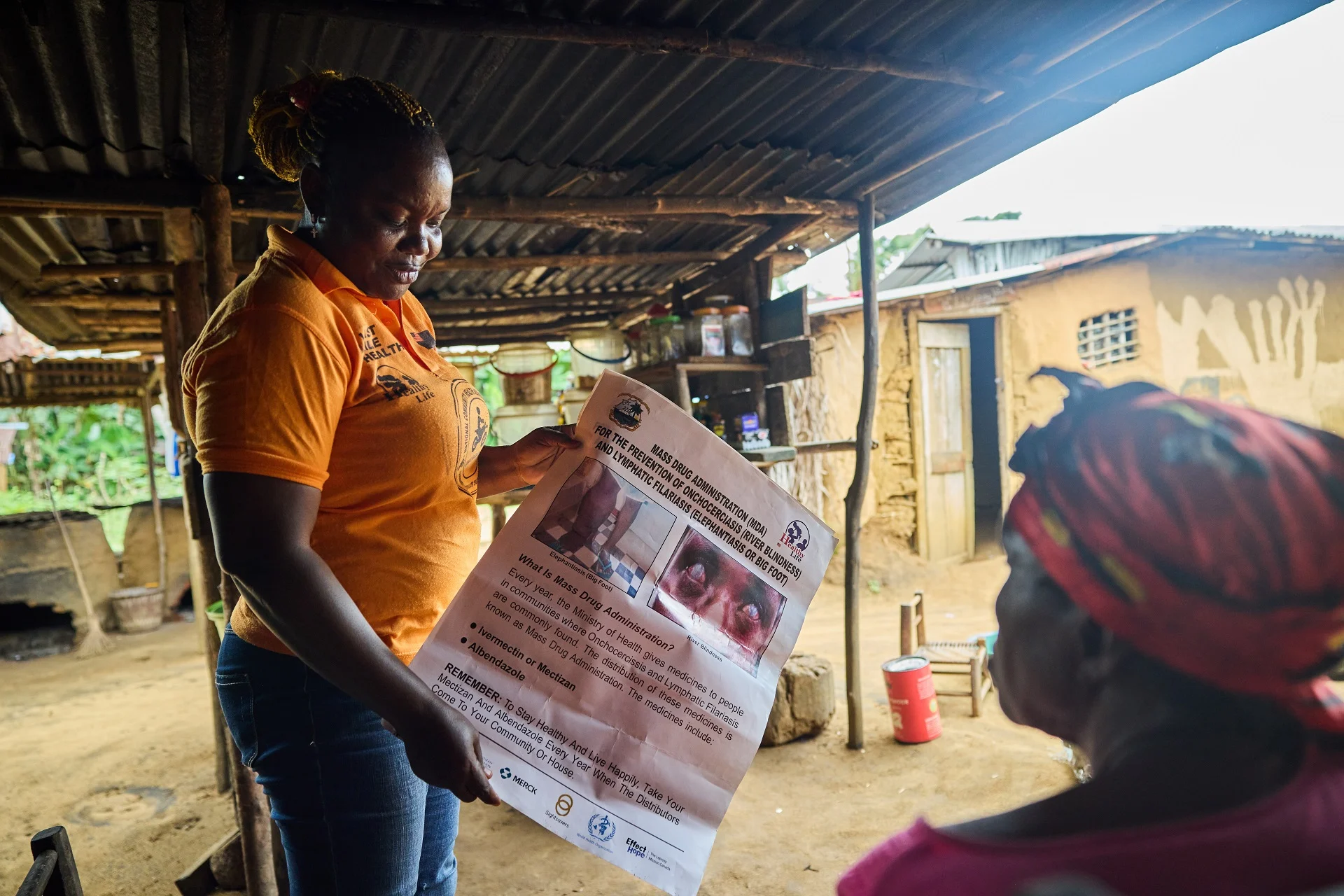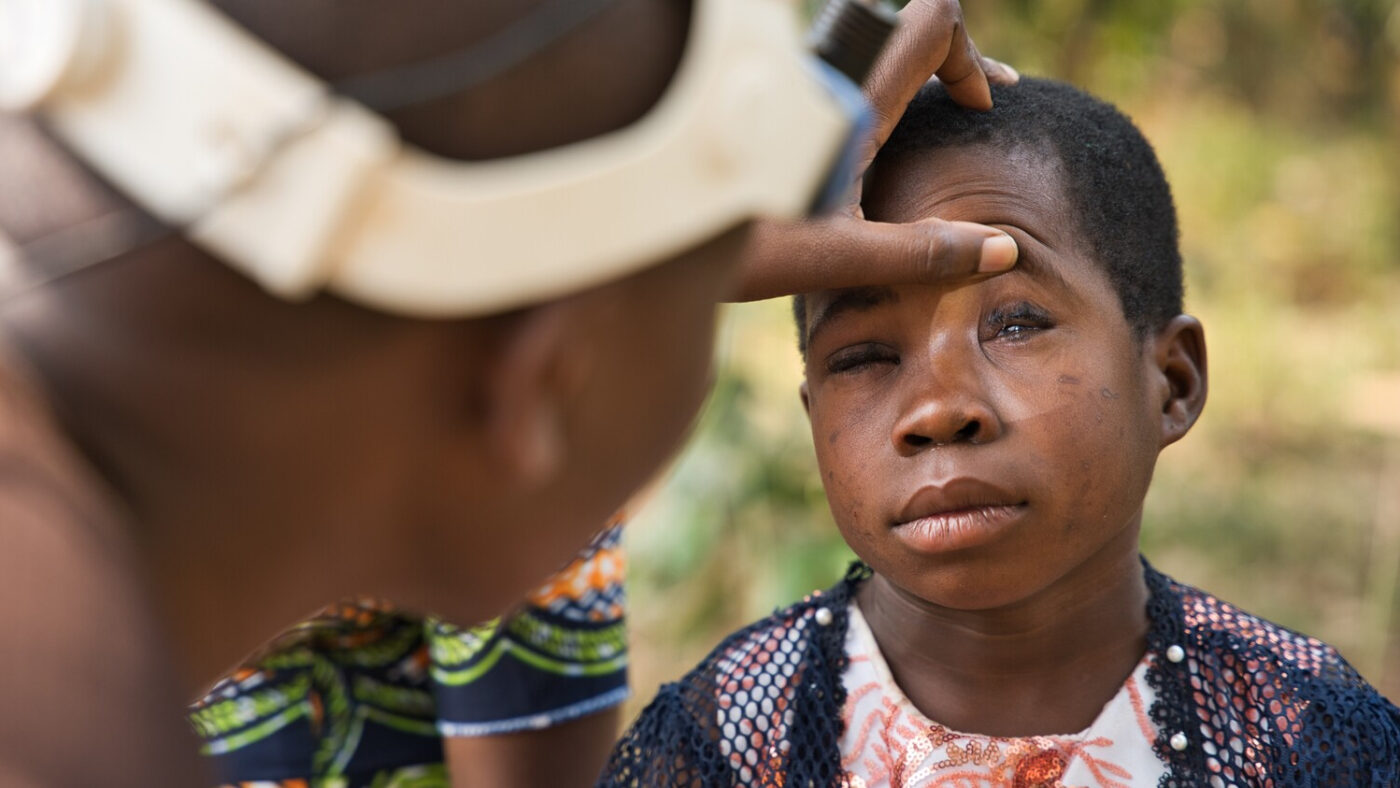
In the fight to protect children’s lives, breakthroughs often emerge from unexpected sources. One such story began with trachoma elimination campaigns, where large-scale distributions of azithromycin not only curbed eye disease but also significantly reduced childhood mortality in African communities. In Ethiopia, early trials showed that mass azithromycin distributions for trachoma were associated with lower overall child deaths. This finding was later confirmed by the groundbreaking MORDOR study, which demonstrated a 13.5% reduction in mortality among children aged 1–59 months, with even sharper declines in infants.
Drawing on this evidence, the WHO now recommends azithromycin MDA for infants in high-mortality sub‑Saharan contexts. In Nigeria, this approach has been adapted into SARMAAN (Safety and Antimicrobial Resistance for Mass Administration of Azithromycin in Nigeria), a national iteration of the REACH framework using a local trusted platform to expand into a child survival initiative.
What began as an eye-health campaign has evolved into a holistic child-protection strategy, anchored in community trust, multi-sector partnerships, and integrated public health delivery.
From a Singular Focus to a Broader Vision
Originally targeted at eliminating trachoma, a neglected tropical disease that causes irreversible blindness, MDA campaigns with azithromycin have now become a foundation for something far bigger: saving children’s lives at scale.
In Nigeria, where both trachoma and under-five mortality remain public health challenges, this realisation led to the development of SARMAAN—Safety and Antimicrobial Resistance for Mass Administration of Azithromycin in Nigeria. SARMAAN is a bold, country-specific adaptation of the REACH (Resilience through Azithromycin for Child Survival) framework, blending lessons from trachoma control with innovations in integrated child health.
What began as an eye-health campaign has evolved into a national child survival strategy, anchored in Nigeria’s community-based health infrastructure.
SARMAAN: A Nigerian Innovation Built on Trust
The success of SARMAAN lies in its local adaptation and evidence-based design. Rather than creating a new delivery platform, the initiative leverages existing trachoma MDA infrastructure networks of community drug distributors (CDDs), health facility staff, and sensitisation pathways already trusted by the people they serve.
This approach not only improves coverage but builds on trust, continuity, and operational efficiency, avoiding the pitfalls of vertical programming.
Key features of SARMAAN include:
- Safety and surveillance mechanisms to monitor side effects and resistance
- Integrated delivery with child health interventions (e.g., nutrition, immunisation, NTDs)
- Community engagement to address concerns, increase demand, and ensure accountability
- Strategic research partnerships to adapt global guidance to Nigeria’s unique epidemiology
Why Azithromycin?
Azithromycin is a broad-spectrum antibiotic that:
- Reduces bacterial infections that contribute to child mortality (like pneumonia and diarrhoea)
- It is well-tolerated in infants and young children
- Can be administered in a single oral dose, making it ideal for community-level campaigns
However, mass administration must be balanced with resistance surveillance—one of SARMAAN’s core pillars. This ensures that public health benefits do not come at the cost of future antibiotic effectiveness.
A Platform for the Future of Child Survival
What makes REACH and SARMAAN unique is not just the drug—it’s the delivery model.
By using already existing platforms as springboards, the initiative opens the door to a convergence of public health interventions, including:
- Vitamin A supplementation
- Deworming
- Growth monitoring
- Immunization linkage
- Early detection of danger signs
It embodies a One Community, Many Services approach—simplifying the interface for caregivers, reducing fragmentation, and boosting health outcomes.
SARMAAN is not just a pilot—it is a proof-of-concept for how global evidence can drive local transformation. Its vision aligns with Nigeria’s commitment to reducing under-five mortality and strengthening community health systems.
Conclusion: From Eyes to Lives
What began as a mission to eliminate blindness from trachoma has become one of the most promising tools for saving children’s lives. Through REACH and its Nigerian adaptation, SARMAAN, we are witnessing the transformation of disease-specific verticals into integrated public health strategies.
At TVHC, we believe that the path to child survival lies in reimagining existing platforms, empowering communities, and translating global evidence into local impact—especially in the places where children are hardest to reach. This is not just innovation. It’s local leadership translating global evidence into real-world survival gains—one child, one village, one round at a time.