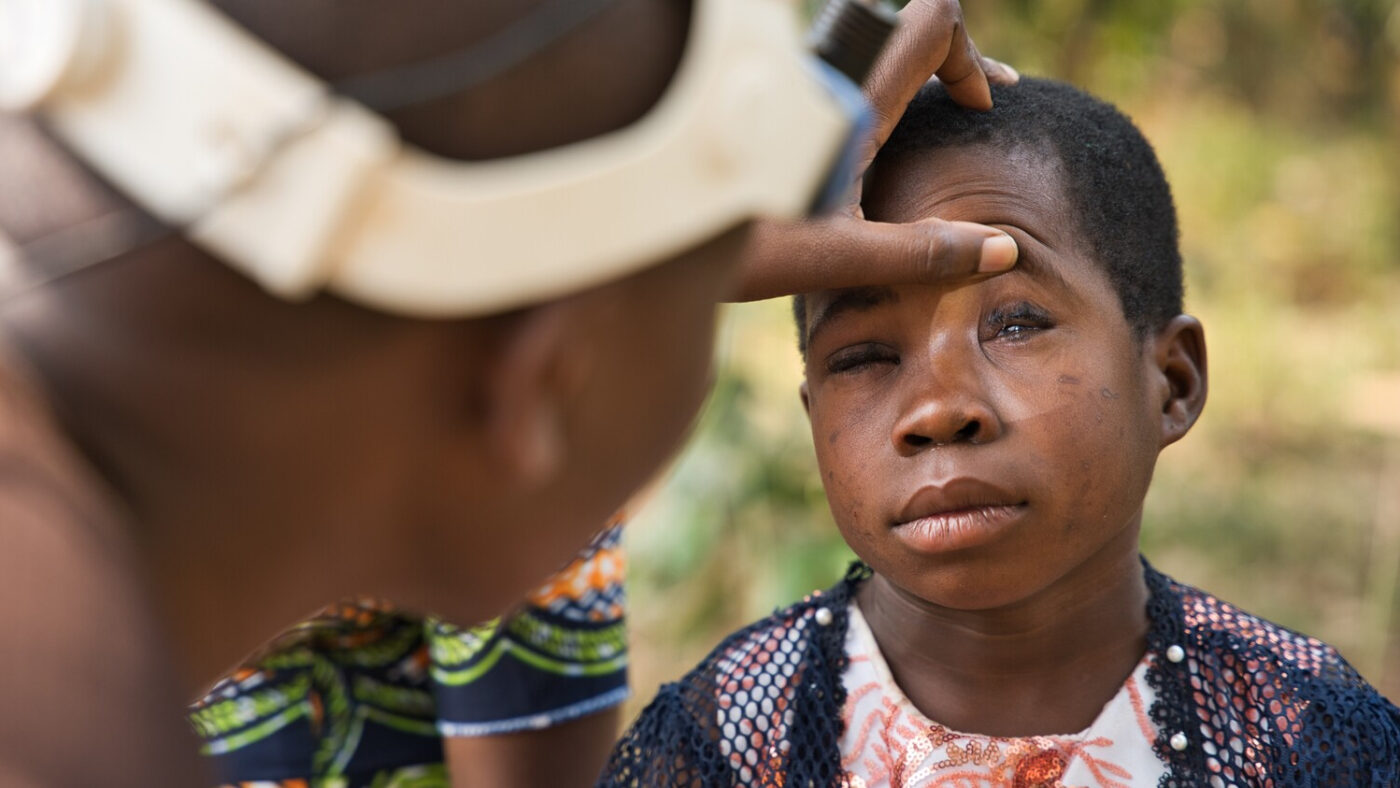
For decades, Neglected Tropical Diseases (NTDs) have lived up to their name—persistently sidelined in global health discourse, quietly debilitating communities, and stealing futures in Sub-Saharan Africa. But we can no longer afford to whisper about diseases that roar through the lives of over a billion people globally, including more than 600 million in Africa alone. It is time to say, with bold conviction: Neglected no more.
Silent Crisis in Plain Sight
Nigeria has the highest burden of lymphatic filariasis in Africa, with an estimated 135 million people at risk of the disease. Schoolchildren carry the weight of soil-transmitted helminths and schistosomiasis—too tired to learn, too often absent. Across Sub-Saharan Africa, NTDs collectively cause an estimated 1.9 million years of healthy life lost (DALYs) annually, yet they attract less than 0.6% of global health funding.
NTDs are not just a medical burden; they are a social injustice. They entrench poverty, derail education, marginalise women, and overload health systems already stretched thin by malaria, HIV, and maternal mortality.
What makes it even more tragic is this: most NTDs are preventable, treatable—and in some cases, eradicable.
The Case for Integration
We’ve made important progress. Between 2010 and 2022, 50 countries eliminated at least one NTD, and over 1 billion people received treatment in 2021 alone. But our current vertical approaches—disease by disease, campaign by campaign—are no longer sustainable.
The path forward is integration. Not just in programming, but in mindset.
An integrated NTD strategy means:
- Delivering one-touch MDA campaigns that treat multiple diseases at once
- Embedding NTD services within primary healthcare systems
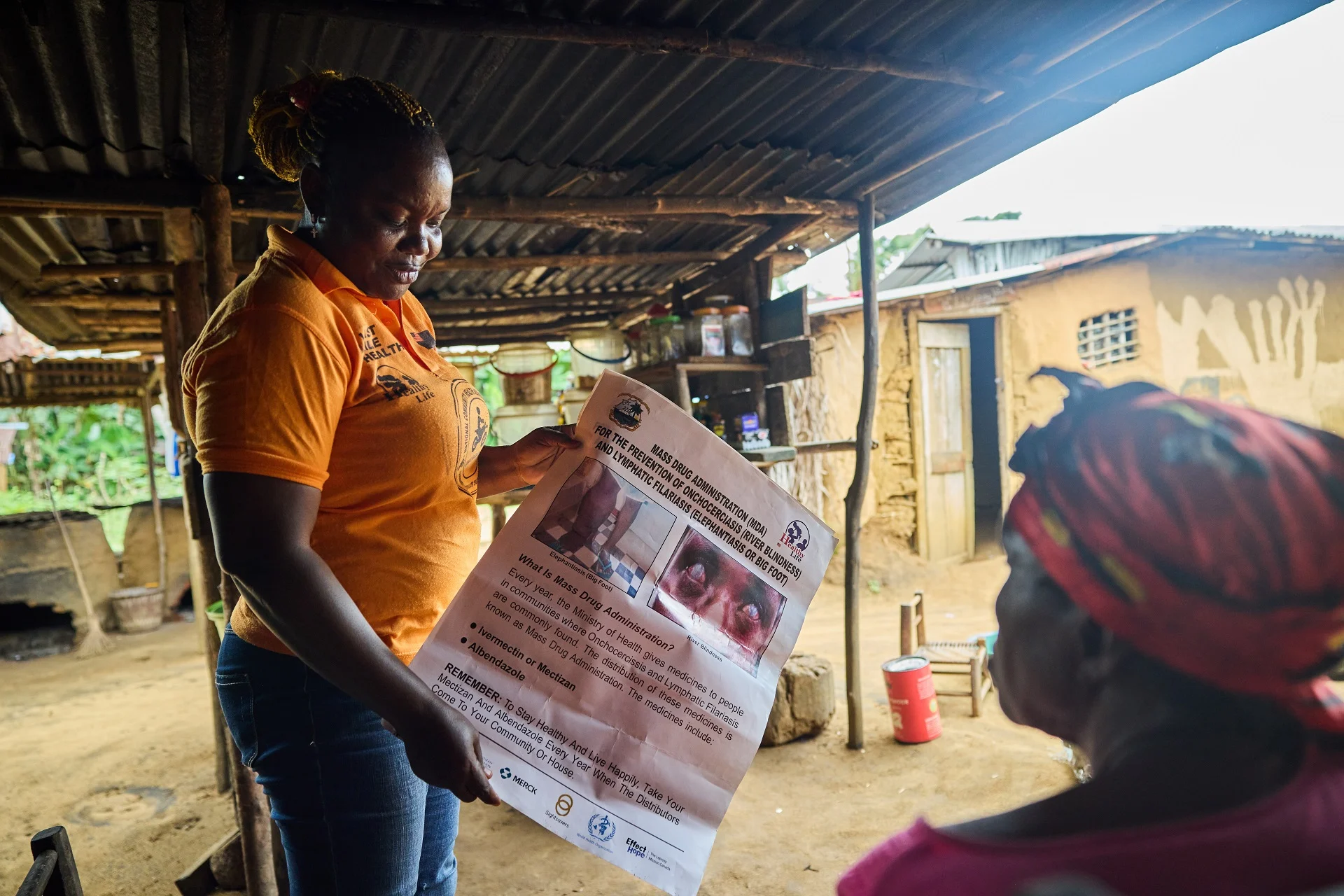
- Leveraging community health workers to bridge gaps in surveillance, health education, and case management
- Utilising digital tools and harmonised data systems for smarter decision-making
- Aligning with WASH, nutrition, and maternal-child health interventions to attack the root causes of NTD vulnerability
Integration is not only cost-effective—it’s transformative. It’s how we move from “control” to elimination.
The Cost of Inaction Is Higher Than We Think
Let us be clear: the cost of fragmented, underfunded NTD programming is not just budget inefficiencies—it’s lives lost, potential squandered, and communities locked in cycles of disease and poverty. In Sub-Saharan Africa, where health systems are already stretched by malaria, HIV, maternal mortality, and climate-sensitive diseases, an integrated approach to NTDs is not a luxury—it is a necessity.
Moreover, as the world accelerates toward Universal Health Coverage (UHC) and the Sustainable Development Goals (SDGs), failing to integrate NTDs threatens to leave the most vulnerable behind.
What Must Happen—Now
- National Governments must take ownership—adopting integrated NTD plans that align with health sector strategies, and investing domestic resources alongside donor support.
- Donors and implementing partners must incentivise collaboration—not competition—between disease programs.
- Communities must be placed at the centre—trained, trusted, and empowered to sustain the fight.
- Private sector actors, like TVHC, must continue driving innovation, operational efficiency, and cross-sectoral partnerships.
Conclusion: Integration Is Equity, Efficiency, and Empowerment
Neglected Tropical Diseases may be ancient, but our response can be modern, strategic, and inclusive. With resolve, innovation, and a shared commitment to health equity, Sub-Saharan Africa can lead the charge in ending NTDs—not disease by disease, but as one integrated, strategic front.
At TVHC, we are not just consulting—we are co-creating a future where no disease is neglected, and no person is invisible.
Let us move together from neglect to action. From fragmentation to integration. From control to elimination.
Because in the end, it’s not just about diseases, it’s about people.